



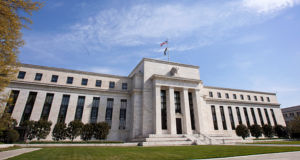
 If Fed meetings once felt like a predictable script, the market is now navigating through a thick fog. CME derivatives price the odds of a rate hike at just 33%. Just 24 hours ago, amid de-escalation in the Middle East and falling oil prices, the odds of policy tightening stood as high as 40%. However, fresh Iranian strikes on U.S. bases in Jordan and the ensuing rally in Brent crude have abruptly cooled hawkish fervor, sparking a surge in EUR/USD. Such erratic moves are a telltale sign of extreme investor jitters.
Nevertheless, a chorus of major market players is calling on the Fed to raise rates in July. Citadel Securities is convinced this would halt inflation in its tracks and underscore the central bank’s independence. Wrightson ICAP sees no compelling reason for a pause, while PGIM argues that the futures market—even with odds at their highest since September 2024—still underestimates the risks of further tightening.
Yet, the baseline scenario appears to be holding rates steady. This makes sense under the Fed’s “data-dependent” approach: the labor market has disappointed, and inflation is cooling. A pause would vindicate FOMC members who argued that current restrictions are sufficient, while also shielding the central bank from political pressure. Donald Trump spent a long time criticizing Jerome Powell for refusing to cut rates. Now, with the President’s nominee, Kevin Warsh, at the helm, a rate hike would amount to political suicide for the White House. Trump himself has already noted that Warsh “wants to do the right thing,” but to do so, he needs consensus within the committee.
Analysts at TD Securities warn that if the Fed holds rates steady and the number of dissenting votes is two or fewer, the dollar faces a severe sell-off. The logic is straightforward: speculators have built up record net long positions in the greenback since 2015. Unwinding these positions would fuel a powerful rally in EUR/USD.
The behavior of the major currency pair perfectly illustrates the “buy the rumor, sell the fact” principle. The euro was similarly battered ahead of the last ECB meeting: it was bought on expectations of hawkish rhetoric, only to be sold off before the official decision was even made. We are witnessing the exact same playbook playing out right now with the dollar and the Fed.